

Preventive Health
 Washing hands
To highlight a few
The eradication of small pox (the last case of small pox occurred in Somalia in 1977) is one of the greatest triumphs of preventive medicine. Anti rabies treatment (1883), cholera vaccine(1892), diphtheria antitoxin (1894) and anti typhoid vaccine(1898) are others.
There are still diseases which are widely prevalent in the topics such as malaria and leprosy for which vaccines are under development. Preventive medicine is applied to “Healthy” people, Its primary objective is prevention of disease and promotion of health. The impression one gets is that preventive medicine is all about vaccination. Actually preventive medicine goes well beyond that. For example the strategies in the control of vector borne diseases (e.g. malaria, filariasis, plague) have involved the use of insecticides, which has helped in the control of diseases. These diseases have been among the most important world wide health problem, contributing to significant morbidity and mortality.
In addition, often a most neglected issue is health education.
Preventive medicine is currently faced with the problem of “Population explosion” in developing countries where population over-growth is causing social, economic, political and environmental problems. Control of this “Population explosion” is extremely important. People need to be educated about basic issues like education and sanitation. Provision for proper sewage disposal, clean drinking water are necessities that should be addressed by the local governing bodies.
Three levels of prevention are now recognized:
- Primary
Intended to prevent disease among healthy people. - Secondary
Directed towards those in whom the disease has already developed. - Tertiary
To reduce the disability consequent to disease.
Preventive Health
Expert's Advice on Poisoning

Poisoning: Call the nearest emergency health service in your area. Give them all the details, including the name of the poison or drug, if known, and the quantity you believe has been swallowed. read more…
Desk Exercises
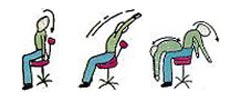
You could reduce stress, increase your endurance, and relieve stiffness by incorporating some of these safe tips and exercises into your daily work routine. read more…


Health Professional's Negligence
Records of published articles in the newspapers helps common people about precautions to be taken while seeking the services from health professionals and also helps health professionals to rectify the negligence.read more…